THE HOUSE OF ALAKĒŚVARA–DE ALWIS
A DIGITAL ARCHIVE
A Millennial History of Trade, Sovereignty and Public Stewardship across the Indian Ocean
FROM MEDIEVAL SOVEREIGN POWER TO CONTEMPORARY LEADERSHIP
The history of the House of Alakēśvara–De Alwis spans an extraordinary arc of Sri Lankan history—from ancient Giri traditions and the rise of the Alakēśvaras in the fourteenth century, through Portuguese, Dutch and British rule, independence in 1948, and into the twenty-first century. Over the centuries, the lineage evolved from Indian Ocean merchant-princes and royal ministers into a ruling dynasty whose members exercised sovereign authority in late-medieval Sri Lanka, before adapting under successive Portuguese, Dutch and British regimes
Its significance lies not simply in longevity, but in the different roles the family played as Sri Lanka itself changed. The Alakēśvaras became among the most consequential political figures of medieval Sri Lanka, associated with the creation of Kotte, Sri Lanka through the defence and government of the southwest, and an encounter with Ming China that placed the island within the geopolitics of the wider Indian Ocean. The De Alwis family, in a different age, became part of the indigenous landed, commercial and administrative establishment of colonial Ceylon, with later generations extending into the professions, science, philanthropy, national politics and international enterprise.
Together, these histories offer an unusual perspective on a larger story: how power in Sri Lanka evolved from court and territory to commerce and capital, and from colonial administration to the institutions of a modern nation. The defining theme is continuity through adaptation.
THE RISE OF A SOVEREIGN DYNASTY
The political ascent of the Alakēśvaras extended beyond ministerial power. During the later fourteenth century, members of the family came to exercise effective sovereign authority as the power of the reigning monarchy weakened. Historical scholarship describes the kingdom as being virtually governed by the Alakēśvaras for more than half a century. This progression from royal service to effective rule culminated with Vīra Alakēśvara, who seized supreme power and is identified in an important strand of the historical literature as reigning under the name Vijaya Bahu VI.
TRADE, POWER AND EMPIRE
The House of Alakēśvara–De Alwis traces its origins to Sri Lanka's pivotal role at the crossroads of the Indian Ocean, where for centuries control of maritime trade routes, cinnamon, gemstones, pearls, and regional commerce shaped the fortunes of kingdoms and empires alike.
What distinguishes the family is its remarkable continuity across vastly different political worlds. Over the centuries, the lineage moved through several forms of authority: from ancient sovereign and regional traditions and Indian Ocean mercantile networks, to the Alakēśvaras' rise as royal ministers, military commanders and territorial rulers, and ultimately to sovereign rule during the late Gampola period. Later branches adapted to the Portuguese, Dutch and British colonial orders as landholders, administrators, merchant barons and plantation entrepreneurs before entering the political, professional and commercial institutions of modern Sri Lanka.
The family's historical continuity is supported by enduring landholdings, generations of senior administrative service, and longstanding marriage alliances that preserved both status and institutional memory across more than six centuries of Sri Lankan history.
AT THE CROSSROADS OF HISTORY
The importance of the Alakēśvara–De Alwis continuum extends beyond the history of one family. Its successive chapters intersect with transformations that shaped Sri Lanka itself: the emergence of Kotte and the southwestern political centre; the growing importance of the Kotte–Colombo region; encounters between Sri Lanka and the great maritime powers of Asia and Europe; three centuries of colonial rule; the rise of indigenous capital and administration; and the creation of the modern state.
The physical legacy is unusually visible. The political centre established at Kotte in the late fourteenth century helped anchor power in the southwest, beside the maritime world in which Colombo subsequently rose to become the island's principal commercial city and, for centuries, its capital. In 1982, the administrative capital returned to Sri Jayawardenepura Kotte. More than six centuries after the Alakēśvaras, the Kotte–Colombo region remains the political and economic centre of Sri Lanka.
The later De Alwis history illuminates another transformation: how established Sri Lankan families adapted when sovereignty passed to European empires. Landholding and administration evolved into commerce, plantation enterprise and indigenous capital; wealth and education opened pathways into the professions, science, philanthropy and public institutions; and the networks of colonial Ceylon became intertwined with the political and economic leadership of independent Sri Lanka.
The Alakēśvara–De Alwis continuum is reconstructed through converging genealogical, territorial and archival evidence including kinship, hereditary family identities, land and administrative records, and the persistence of names such as Alahakoon and Wijesiriwardana across later De Alwis branches. The archive brings this evidence together with independent academic scholarship so that the history can be examined as both genealogy and as part of the wider history of Sri Lanka, the Indian Ocean and its peoples.
CHRONOLOGICAL ERAS

c. 3rd Century BCE – 13th Century CE
The Giri Royal Tradition
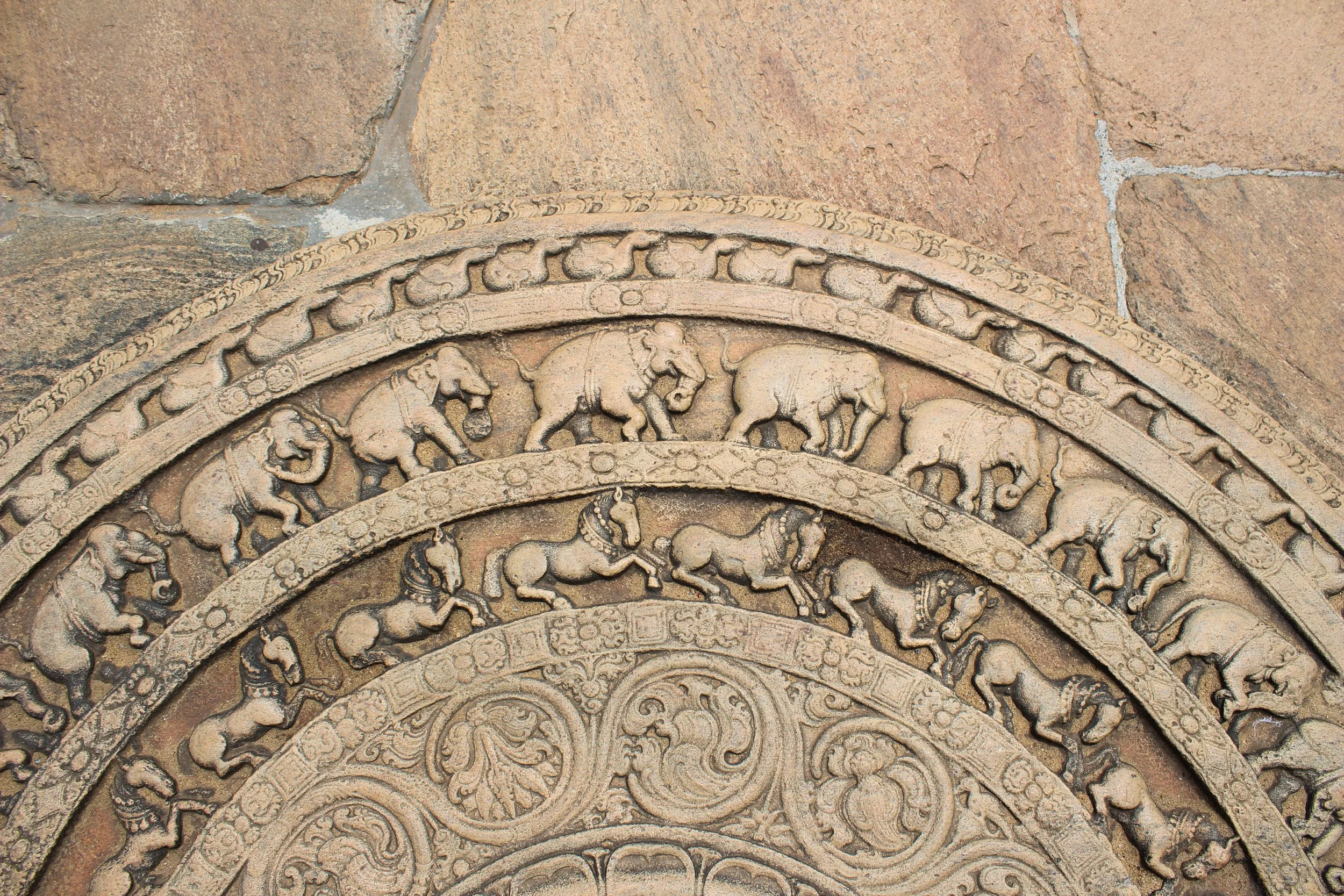
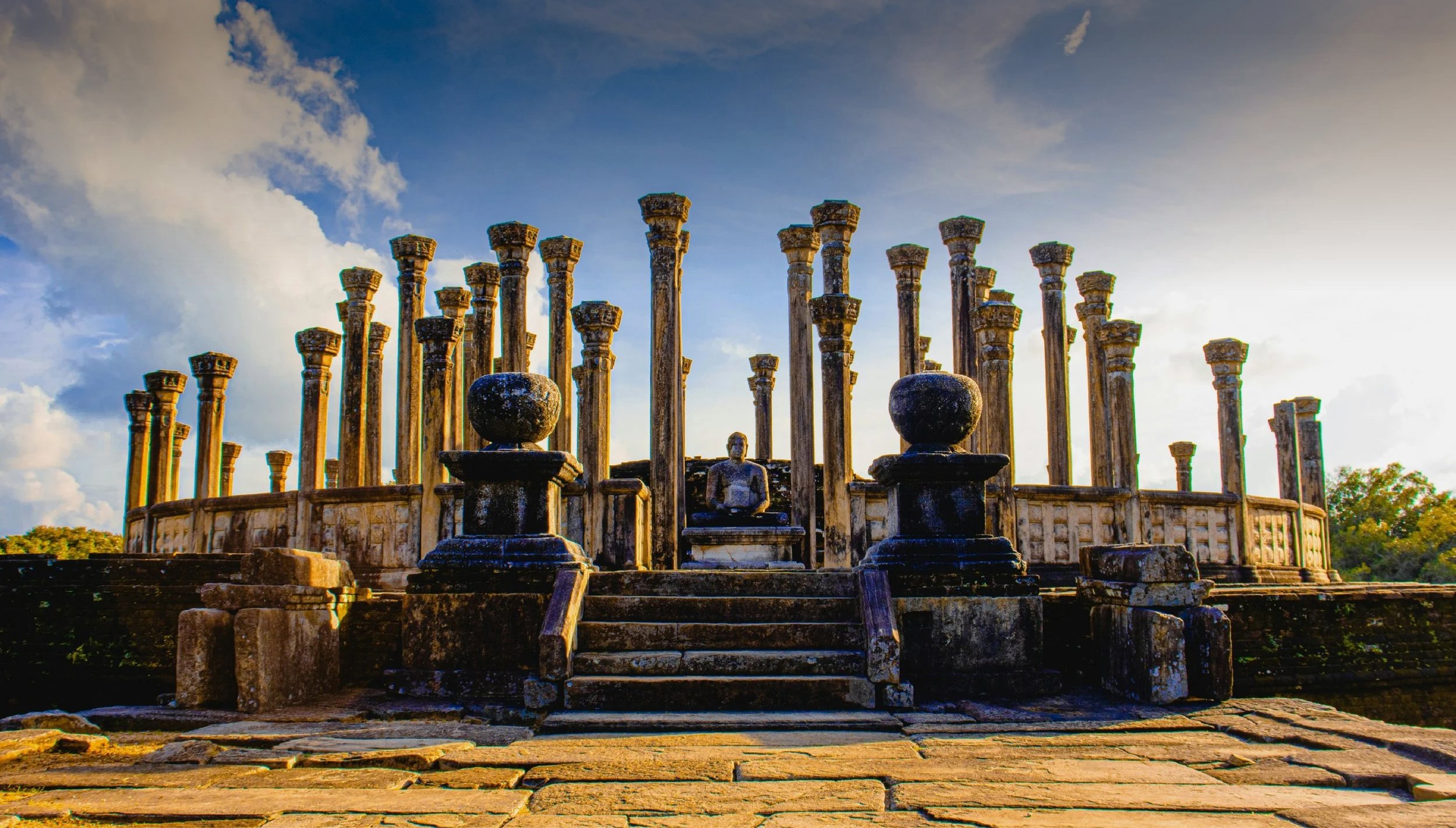
The lineage traces its earliest foundations to the Giri clans of Girimandala, the southern highlands of ancient Sri Lanka. Through strategic alliances with royal houses, the Giri nobility became integrated into the island's Solar (Suryavamsa) tradition, combining regional authority with dynastic legitimacy.
Rise of the House of Alakēśvara
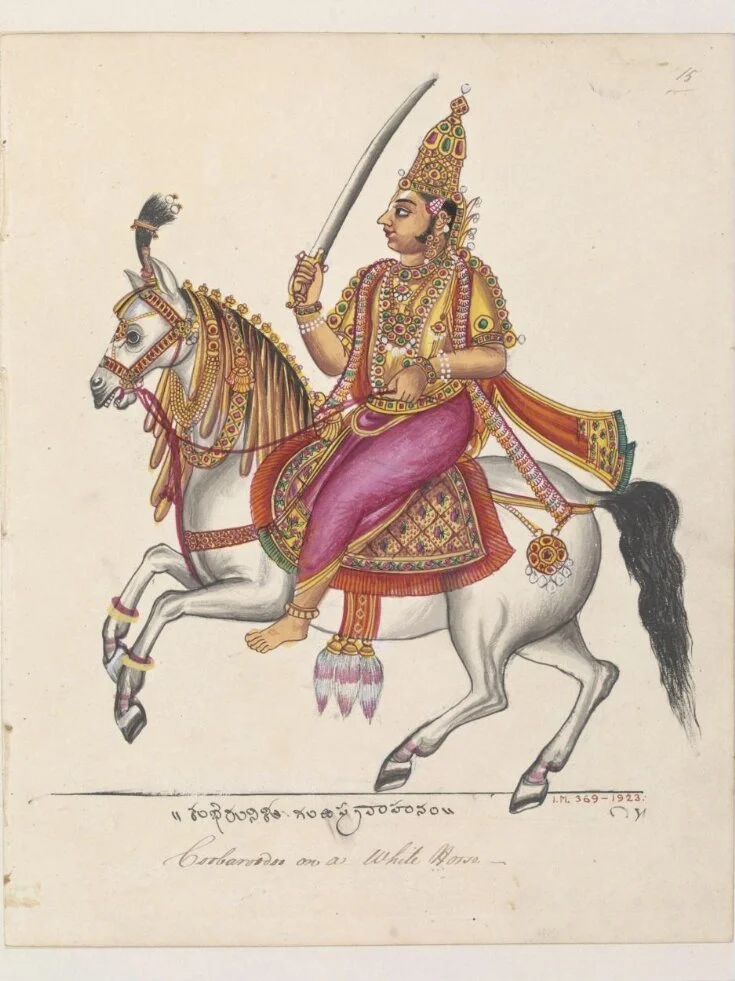
Amid political upheaval across South India, the merchant-prince House of Alakēśvara (Alagakonara) established itself in Sri Lanka. Drawing on centuries of Indian Ocean trade networks inherited from the Chera maritime tradition, the family rose to prominence through commerce, naval power, and royal service.
c. 1380 – 1390 CE
The Rise of the Sovereign Alakēśvaras
The Alakēśvara family rose from merchant-princely and ministerial power to become a ruling dynasty in late-medieval Sri Lanka. Having first accumulated authority through commerce, military command and high royal office, members of the family progressively exercised territorial and sovereign power. Under Nissanka Alakēśvara, Kotte emerged as the fortified centre of this authority; under Vira Alakēśvara, the family occupied the position of a ruling court confronted directly by Ming China.
1390 – 1411 CE
From Royal Authority to Sovereign Rule
The chronology traces the transition from Kumara Alakēśvara to Vīra Alakēśvara, followed by the struggle for supreme authority, Vīra’s reign, and the Ming intervention that culminated in his capture by Admiral Zheng He in 1411.
1411 CE
The Fall of a Sovereign
The sovereign phase of Alakēśvara rule ended dramatically during the confrontation with Ming China. Vīra Alakēśvara who had seized supreme power and is identified by British historian, H.M Codrington as reigning as Vijaya Bahu VI—was defeated and captured with members of his household by the expedition of Zheng He and taken to the Ming imperial court. Although Vira Alakēśvara's defeat ended the family's immediate sovereign ascendancy, the fortified capital and political order created by the Alakēśvaras endured and became the foundation of the later Kotte Kingdom.
1412 – 1505 CE
The Age of Coastal Land Grants
Following the consolidation of the Kotte Kingdom, branches of the family dispersed throughout Sri Lanka's southwest coast. Through Royal Sannas land grants and hereditary house designations, they secured estates across Moratuwa, Kalutara, Bentota, and surrounding maritime districts.
The Costal Merchant Barons
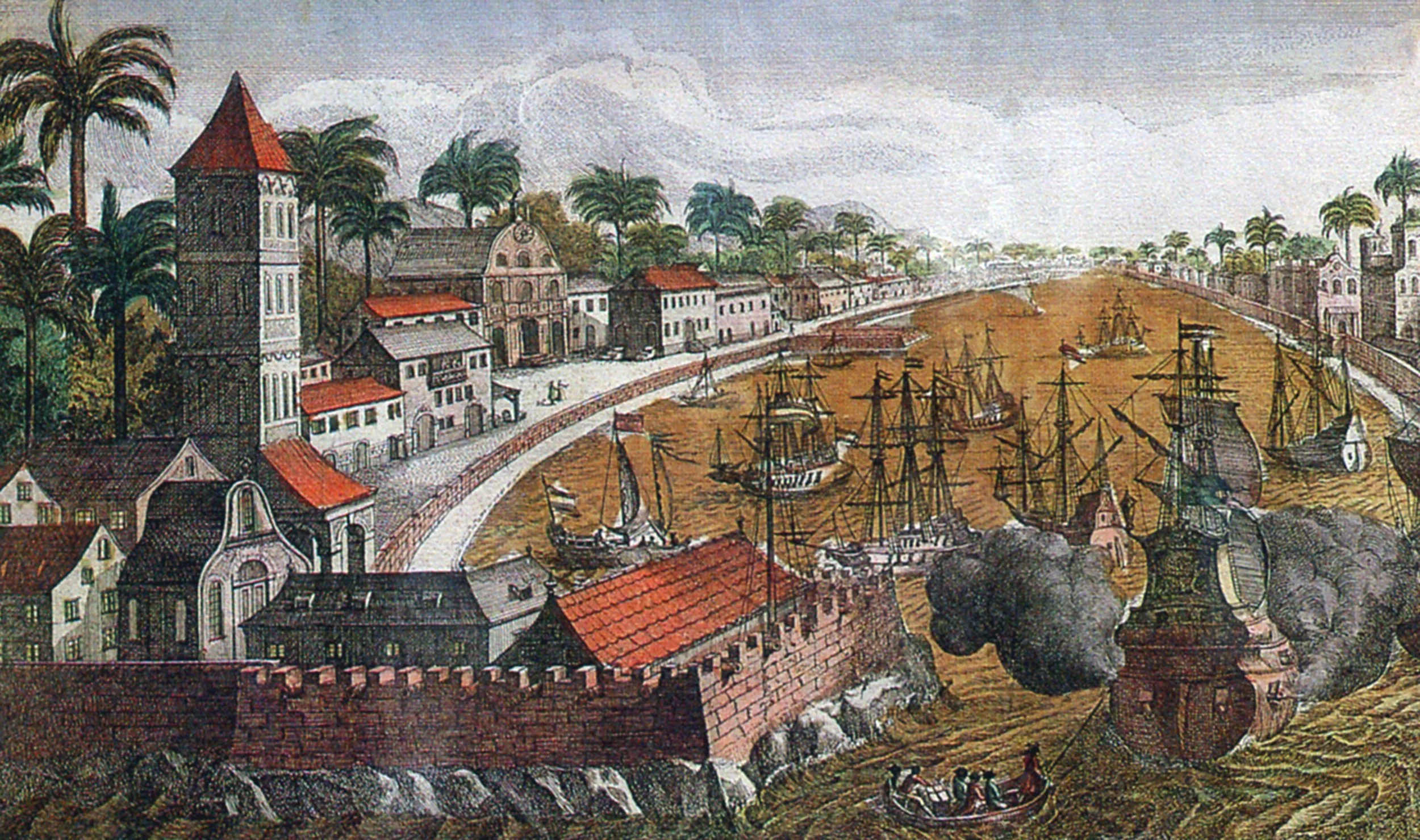
Under Portuguese and later Dutch rule, the family adapted to changing imperial systems while preserving its landed wealth and hereditary status. During this period, branches adopted the surname de Alwis, while maintaining ancestral identities such as Alahakoon and Wijesiriwardana.
The Colonial Era
& The Moratuwa Aristocracy
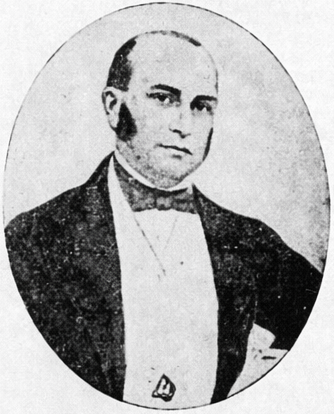
The British occupation of Ceylon marked the beginning of a profound economic and administrative transformation. As the island shifted from a kingdom-based economy to a global colonial export system, established coastal aristocratic families adapted to the new imperial order by leveraging their longstanding control of land, trade, and local administration.
Among these families, branches of the De Alwis lineage emerged as prominent participants in the commercial and civic life of British Ceylon. The family became prominent merchant barons, plantation investors, and administrators. Through the Wasala Walauwa estates and the Moratuwa commercial network, family members occupied leading positions within the colonial civil service and emerging private enterprise.
Building upon centuries of accumulated landholdings, maritime connections, and hereditary influence, they transitioned from regional aristocracy into a modern class of merchant-landowners, plantation investors, and public administrators.
Nation Building and Modern Leadership
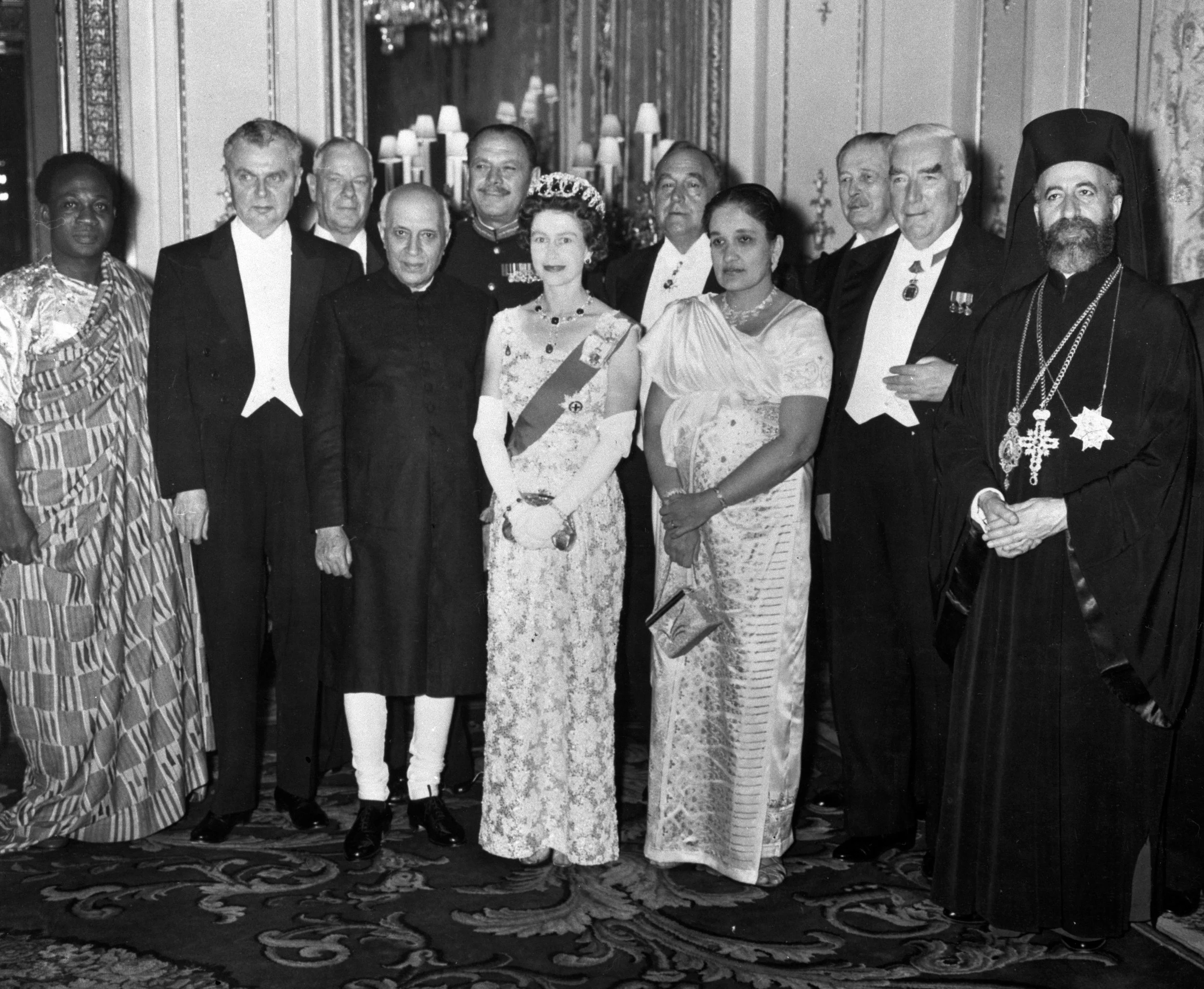
In independent Sri Lanka, descendants contributed to the highest levels of government, law, finance, education, science, arts, media, and sport and has played a defining role in shaping modern Sri Lanka’s political and institutional landscape.
Political Nexus
The family’s historic alliance with the Bandaranaike dynasty produced three national leaders: S.W.R.D. Bandaranaike; Sirimavo Bandaranaike, the world's first female head of government; and Chandrika Bandaranaike Kumaratunga, who served as Prime Minister before becoming Sri Lanka’s first female Executive President.
Financial & Entrepreneurial Continuity
The De Alwis–Withanage line represents a contemporary branch of the family’s long association with commerce and enterprise. Today, members of this line, including Rayo De Alwis Withanage are active in international finance, technology and entrepreneurship, spanning infrastructure, financial systems and emerging technologies.